K-12 Lunch Rush Prep: Tips to Keep Your Cafeteria Running Smoothly
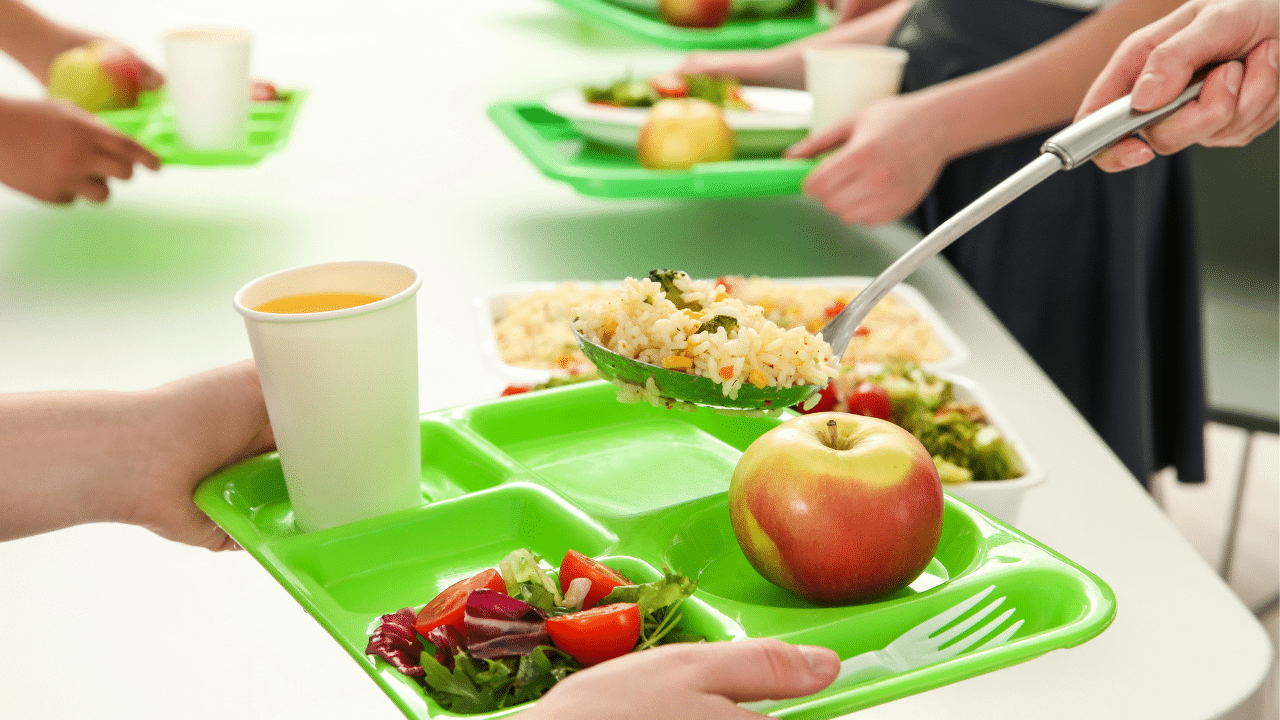
In a K-12 cafeteria, the lunch rush operates on momentum: serving line speed depends on hot holding, while cold items rely on walk-ins and refrigerated cases. The dish room must keep pace to support the flow. When one link falls short, it doesn’t just slow things down; it can throw off the entire operation in a hurry. Lines back up, the serving line gets out of sync, and timing starts slipping before you know it.
Trust Smart Care to keep your K-12 kitchens running smoothly. With local technicians backed by national resources, we provide timely repairs, planned maintenance, and technology-enabled reporting to help minimize downtime during meal service.
What to Check Before the K-12 Lunch Rush
Think of this like your cafeteria’s “preflight checklist.” Following the same route and checkpoints every day, problems become apparent quickly.
Serving Line & Hot Holding
Why it matters: If hot holding fails, the line slows down, and food safety risks rise. Food must stay out of the 41°F–135°F danger zone.
- Signs something’s off: Units feel warm, but food temps lag, heat lamps flicker, or staff are constantly double-checking temps.
- Pre-lunch checks: Confirm power is on and units are fully preheated, verify settings, and scan cords, door gaskets, and lids.
- Pro Tip: Assign one person to own hot-holding readiness, accountability catches issues before the first bell rings.
The Cold Side (Reach-ins & Walk-ins)
Why it matters: Cold equipment is accessed constantly during the rush. Starting the day already over-temp makes recovery nearly impossible.
- Signs something’s off: Creeping temperatures, doors not sealing cleanly, loud fans, condensation, or warm spots.
- Pre-lunch checks: Confirm readouts are normal early in the shift, check door gaskets, and ensure airflow isn’t blocked by overpacking.
- Pro Tip: Frequent temperature swings usually signal a mechanical issue. Flag it early so it doesn’t become a recurring disruption.
The Dish Room
Why it matters: Dish rooms rarely just “break”; they fall behind. Bottlenecks here can stall the entire cafeteria’s throughput.
- Signs something’s off: Scrap/pre-rinse backups, slowing tray flow, or a pile-up of rewashes.
- Pre-lunch checks: Ensure the machine is on with no error codes, stage the pre-rinse area, and scan for leaks near drains.
- Pro Tip: If trays slow down at the same spot daily, you have a throughput problem. Identify the specific choke point rather than assuming the delay is caused solely by a high volume of students.
Ventilation & HVAC
Why it matters: Poor airflow leads to excess heat, kitchen staff fatigue, and equipment overworking to stay cool.
- Signs something’s off: Unusual heat on the line, stagnant air near ovens, or lingering smoke and odors.
- Pre-lunch checks: Confirm ventilation is running at full capacity and ensure steam or heat is actually being pulled into the hood rather than drifting into the kitchen.
- Pro Tip: If the air feels “different,” don’t wait. Minor airflow issues often become major interruptions during peak heat.
Most Common K-12 Lunch Rush Failure Points
Here’s the reality: most “surprise” breakdowns weren’t truly surprises. They had signals:
Why can’t we keep food hot during the rush?
- The Signal: Food temperatures slip, and hot-holding compartments lose heat as the rush intensifies, forcing staff to rotate pans constantly.
- The Fix: Document which specific station is struggling and when the drop begins. Don’t “ride it out”; escalate the issue if it happens more than once.
Why does this cooler lose temp every service?
- The Signal: Temperatures spike during service, condensation builds up on surfaces, and items feel noticeably warmer by the end of the period.
- The Fix: Check for worn door seals and track how often the unit is being accessed. Sharing these details helps your service team pinpoint the cause faster.
Why are clean dishes backing up instead of moving forward?
- The Signal: Cloudy dishes, visible residue, or racks that aren’t fully clean. A growing “rewash” stack is a major red flag for your throughput.
- The Fix: Treat poor results as a mechanical issue, not just a quality one. Flag it early to prevent the dish room from falling behind and doubling your team’s workload.
Why are cook times getting longer as service goes on?
- The Signal: Longer cook times, uneven results, and significant temperature drops when loading. You’ll notice batches finishing later in the schedule.
- The Fix: Note any error codes and identify if the issue is a slow initial preheat or a slow recovery between loads before calling for service.
Why does the line always stall in the same spot?
- The Signal: The line stalls at the same spot every time, usually near milk coolers, condiments, or checkout.
- The Fix: Identify if the choke point is a layout issue or an equipment issue (like a lagging milk cooler). Adjust the setup by splitting stations or restocking earlier to keep the line moving.
K-12 Lunch Rush Playbook: When to Adjust, Pause, or Call for Service
When something feels off, use this quick playbook so your team responds consistently, without guessing mid-rush.
| Status | Signs to Watch For | Required Action |
| 🟢 GREEN | Steady temps, normal recovery speeds, no leaks or odors. | Keep Moving: Monitor performance and continue service as usual. |
| 🟡 YELLOW | Drifting temps, slow recovery between batches, spotty wash results. | Adjust & Flag: Tweak workflow to protect flow, then document the issue for a non-emergency check. |
| 🔴 RED | Smoke, burning smells, leaks near power, tripped breakers, unsafe food temps. | Pause & Call: Stop use immediately. Note the error code and location, then call for Smart Care for service. |
Before You Call for Service
To get your kitchen back faster, have this information ready for your technician:
- The Essentials: Equipment type, location, and any visible error codes.
- The Symptoms: Specific noises, leaks, or when the issue first started.
Stay Ahead of Lunch Rush Breakdowns with Smart Care
During the K-12 lunch rush, equipment failure isn’t an option. Smart Care supports nutrition teams with a service model built for the heat of the kitchen. By prioritizing planned maintenance and rapid response, we minimize downtime and provide the local expertise and national resources needed to keep your lines moving.
Ready to reduce mid-rush surprises and keep your cafeteria running smoothly?
- Call us at (888)-887-1675
- Submit a service request through our contact form
- Or visit our Find Local Service Page to get in touch with your regional Smart Care team.
Frequently Asked Questions About Smooth K-12 Lunch Periods
How early should we do the pre-lunch “preflight checklist”?
Aim for 15–30 minutes before the first bell. This gives your team enough buffer to spot a temperature drift or a pilot light issue and adjust before the students arrive.
What are the most common causes of lunch rush delays?
Most bottlenecks are caused by three things: hot-holding cabinets losing temperature, refrigeration struggling with heavy door traffic, and dish room backups caused by poor wash results and frequent rewashes.
Why is hot-holding performance critical for school lunch?
Beyond speed, it’s about safety. If equipment fails to keep food out of the “Danger Zone” (41°F–135°F), it creates a significant safety risk and can force you to discard entire batches of food mid-service.
What information is needed when calling for emergency equipment service?
To speed up your repair, have these details ready:
- Unit Basics: Equipment type, brand, and kitchen location.
- The Problem: Current symptoms (leaks, noises) and any visible error codes.
- Data: Current temperature readings if the unit is failing to hold heat or cold.
How does planned maintenance help during peak lunch periods?
Planned maintenance helps prevent repeat breakdowns by addressing wear-and-tear and performance drift before the lunch rush, so equipment is more likely to keep up when the line is at its busiest.
