Warming Cabinet Temperature Drift: What It Means and When to Call Service
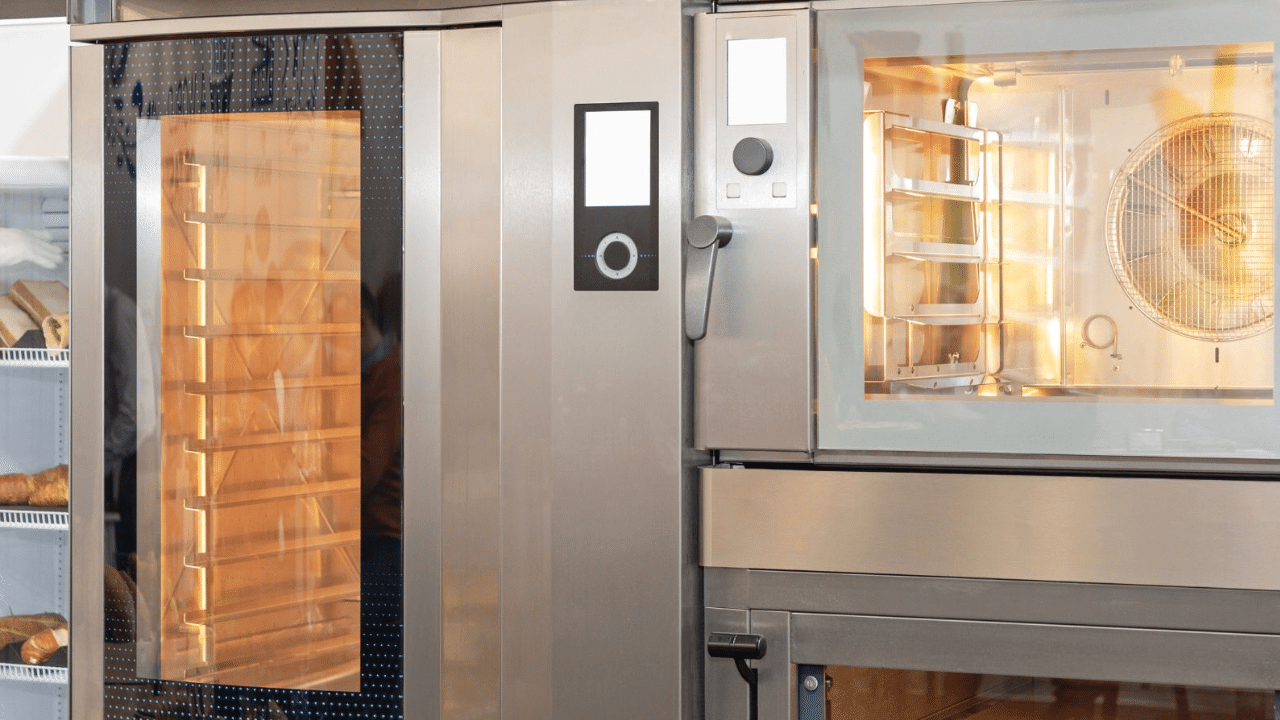
A warming cabinet that drifts off temperature might not trigger an alarm or stop service, but it can quietly put food safety and compliance at risk before anyone notices. When hot-held food drops below 135°F, takes too long to recover, or runs unevenly across shelves, temperature drift is usually to blame. The most common causes, worn door gaskets, faulty thermostats, and failing heating elements, are also the most correctable, as long as you catch the warning signs early.
Noticing uneven temperatures, slow recovery, or a display that doesn’t match actual holding temps? Smart Care provides commercial kitchens with expert warming cabinet repair and maintenance services, helping you stay compliant, protect food quality, and keep service running without interruption.
Common Warning Signs of Temperature Drift
Temperature drift is rarely sudden. It builds gradually as components wear down, which means the warning signs are there if you know what to look for.
- Slow Heat-Up Recovery: A warming cabinet should reach its target temperature in a predictable window before service. If staff are turning the unit on earlier and still waiting, or preheat times are stretching longer week to week, something is already off inside the system. Slow heat-up is often caused by weakened heating elements, a faulty thermostat, or heat loss that the unit can no longer overcome efficiently. It’s also an early warning; act on it before the cabinet stops recovering altogether.
- Uneven Hot Spots and Cold Spots: If pans on the top shelf are drying out while items on the bottom are barely staying warm, heat distribution has broken down. This is usually a failing convection fan or a burned-out heating element. It’s also a service problem: when staff can’t trust the cabinet to hold evenly, they’re guessing instead of serving, and that’s never where you want to be during a rush.
- Thermostat or Sensor Issues: If the display shows one temperature but the food reads a different one, the sensor is likely out of calibration. A subtler sign is when staff keep adjusting the thermostat just to make the cabinet “behave” — that pattern usually means the control side needs professional attention. A drifting sensor doesn’t just cause temperature swings; it makes it harder to verify safe holding temps with any confidence.
- Critical Step: Place a standalone appliance thermometer in your cabinet to verify the actual holding temperatures. Don’t rely on the built-in display alone if you suspect something is off.
- Door Seal Problems: A worn gasket allows heat to continuously escape, forcing the unit to cycle more frequently and recover more slowly. In practice, this shows up as temperature fluctuation near the front of the cabinet or sluggish recovery after the door opens. If you can feel warm air escaping, see cracks in the rubber, or notice the door no longer closes firmly, that’s not cosmetic wear; it’s a performance problem that will keep getting worse.
Documenting the Drift: What to Record
Before you call for service, take a few minutes to document what you’re seeing. According to Smart Care’s service prep guidance, a well-prepared service request helps technicians diagnose faster and work more efficiently. Have your team record the following before making the call.
- Specific Temperature Readings: Use an independent thermometer to record the actual internal temperature against the cabinet’s set point. Take readings at different times of day and across the top, middle, and bottom shelves.
- Duration of the Issue: Note when you first noticed the drift. Has it been a slow decline over several weeks, or did it appear suddenly after a power fluctuation?
- Error Codes: If your cabinet has a digital control board, write down any error codes showing on the display before calling for service.
- Recent Usage Patterns: Note whether the issue aligns with any changes, such as moving the cabinet to a cooler part of the kitchen, heavier product loads, or more frequent door openings during high-volume periods.
- Actions Already Taken: Let the technician know what you’ve already tried, whether that’s cleaning the unit, resetting the breaker, or adjusting the thermostat.
Pro Tip: If the cabinet display and your independent thermometer don’t match, write down both numbers. That one detail can save a technician significant diagnostic time.
When to Call Service
Minor adjustments, such as rearranging pans to improve airflow or wiping down door gaskets, can be handled in-house. Mechanical failures are a different story.
Call for professional service if you’re seeing any of the following:
- Consistent temperature failures: Your independent thermometer logs show the cabinet repeatedly failing to hold food at or above 135°F, even under normal operating conditions.
- Breaker trips: The cabinet trips the electrical breaker when it attempts to heat up.
- Rapid cycling: The unit is turning on and off quickly without ever reaching setpoint — a sign the system is working harder than it should, and something in the heating or control circuit needs attention.
- Unusual fan noise: The internal convection fans are making grinding, clicking, or rattling sounds during operation.
- Burning smell or visible scorching: Any smell of burning or signs of heat damage near the heating elements or control panel warrant an immediate call.
- Unresponsive controls: The display isn’t powering on, or the control board isn’t responding, even after a reset.
- Torn or missing door seals: Visibly damaged gaskets that can’t be corrected with cleaning or repositioning.
When in doubt, it’s always better to address the issue now than wait for a complete failure during service.
Resolve Warming Cabinet Issues with Smart Care
Temperature drift is manageable when you catch it early, but when the warning signs point to a mechanical issue, it’s time to bring in a professional. Smart Care provides commercial kitchens with expert warming cabinet repair and preventive maintenance, helping you protect food quality, stay compliant, and avoid unexpected downtime.
Need help with your hot-side equipment?
